Last updated: April 24, 2026
Quick Answer: Professional acne treatment at an expert clinic in Doncaster addresses the root causes of breakouts — not just the surface symptoms. At Dermacy Clinic, we combine professional skin analysis with clinically proven solutions like chemical peels, LED therapy, medical-grade facials, and personalised treatment plans to help patients of all ages achieve clearer, healthier skin and renewed confidence.
Key Takeaways
Acne is a medical skin condition, not a hygiene issue. It requires professional diagnosis and targeted treatment for lasting results.
One-size-fits-all products rarely work. Effective acne management starts with a thorough skin assessment to identify your specific acne type and triggers.
Advanced clinic treatments (chemical peels, LED light therapy, microneedling, medical-grade facials) deliver faster, more consistent results than over-the-counter products alone.
Acne affects mental health. Studies link persistent acne to anxiety, low self-esteem, and social withdrawal — treating it improves emotional well-being, not just skin.
Post-acne scarring is treatable. Skin rejuvenation techniques can significantly reduce the appearance of scars and hyperpigmentation.
Sensitive skin and rosacea need careful management alongside acne — the wrong treatment can make both conditions worse.
Long-term skin health strategies matter more than quick fixes. A good clinic builds a maintenance plan you can sustain.
Aftercare is half the battle. What you do between appointments directly affects your treatment outcomes.
Why Does Acne Require Professional Treatment at an Expert Clinic in Doncaster?
Over-the-counter cleansers and spot treatments can help mild breakouts, but persistent or moderate-to-severe acne almost always needs professional intervention. The reason is straightforward: acne involves multiple factors beneath the skin’s surface — excess sebum production, bacterial overgrowth, hormonal fluctuations, and chronic inflammation — that topical retail products simply can’t address effectively.
At Dermacy Clinic, we see this pattern regularly. A patient arrives after spending months (sometimes years) cycling through drugstore products, feeling frustrated and often blaming themselves. One patient I recall, a woman in her early 30s, told us she’d tried “everything on the shelf” and assumed her skin was just permanently broken. Within her first consultation, our professional skin analysis identified that her acne was primarily hormonal and inflammatory — a combination that needed a targeted clinical approach, not another salicylic acid wash.
What makes clinical acne treatment different:
Accurate diagnosis. We identify your acne type (comedonal, inflammatory, cystic, hormonal) and any co-existing conditions like rosacea or sensitivity.
Medical-grade treatments. Clinic-strength chemical peels, LED phototherapy, and advanced skin technology penetrate deeper and work faster than retail alternatives.
Personalised treatment plans. Your skin is unique. We build a protocol around your specific triggers, skin type, lifestyle, and goals.
Ongoing monitoring. We track your progress and adjust treatments as your skin responds — something no product on a shelf can do.
Common mistake: Treating acne-prone skin the same way you’d treat oily skin. Many patients over-strip their skin with harsh cleansers, which triggers more oil production and worsens breakouts. A professional assessment prevents this cycle.
If you’re dealing with persistent breakouts, explore our acne treatment resources for more information on how clinical care differs from at-home routines.
What Acne Treatments Does Dermacy Clinic Offer in Doncaster?
Dermacy Clinic provides a range of evidence-based acne treatments tailored to different acne types, skin sensitivities, and severity levels. Here’s a clear breakdown of the core options.
Chemical Peels
Chemical peels use controlled concentrations of acids (such as salicylic acid, glycolic acid, or lactic acid) to remove dead skin cells, unclog pores, and reduce bacterial load. They’re effective for comedonal acne (blackheads and whiteheads) and mild inflammatory acne.
Best for: Congested skin, uneven texture, mild-to-moderate acne, post-inflammatory marks
Sessions needed: Typically 4–6 sessions, spaced 2–4 weeks apart
Downtime: Minimal. Some redness and light peeling for 2–3 days.
LED Light Therapy
Blue and red LED wavelengths target acne at different stages. Blue light kills Cutibacterium acnes (the bacteria behind inflammatory breakouts), while red light reduces inflammation and promotes healing.
Best for: Inflammatory acne, redness, sensitive skin that can’t tolerate harsh topicals
Sessions needed: 6–10 sessions for noticeable improvement
Downtime: None. Suitable even for rosacea-prone skin.
Medical-Grade Facials (Including HydraFacial)
These aren’t spa facials. Medical-grade facials combine deep cleansing, gentle exfoliation, extractions, and infusion of active ingredients tailored to acne-prone skin. The HydraFacial treatment is particularly effective because it cleanses and hydrates without irritation — a critical factor for patients with both acne and sensitivity.
Best for: All acne types, especially when combined with other treatments
Sessions needed: Monthly maintenance recommended
Downtime: None
Microneedling for Acne Scarring
Once active acne is under control, microneedling stimulates collagen production to repair scarred and uneven skin texture. It’s one of the most effective minimally invasive treatments for post-acne scarring.
Best for: Atrophic (indented) acne scars, post-inflammatory hyperpigmentation
Sessions needed: 3–6 sessions, spaced 4–6 weeks apart
Downtime: 24–48 hours of redness
Pigmentation and Dark Spot Treatments
Acne often leaves behind dark marks (post-inflammatory hyperpigmentation), especially on deeper skin tones. We use targeted protocols, including clinical pigmentation treatments, to fade these marks safely.
TreatmentBest ForSessionsDowntimeSensitivity-FriendlyChemical PeelsCongestion, mild acne4–62–3 daysModerate (depends on peel strength)LED Light TherapyInflammatory acne, redness6–10NoneYesHydraFacialAll types, hydrationMonthlyNoneYesMicroneedlingAcne scarring3–624–48 hoursYes (post-active acne only)Pigmentation TreatmentDark spots, uneven tone3–6VariesDepends on protocol
Choose LED light therapy if you have sensitive skin or rosacea alongside acne. Choose chemical peels if your main concern is congestion and texture. Choose microneedling if your active acne is resolved but scarring remains.
How Does Dermacy Clinic Create Personalised Acne Treatment Plans?
Every effective acne treatment starts with understanding your skin — not applying a generic protocol. At Dermacy Clinic, the process begins with a comprehensive aesthetic consultation that goes well beyond a surface-level look.
Step 1: Professional Skin Analysis
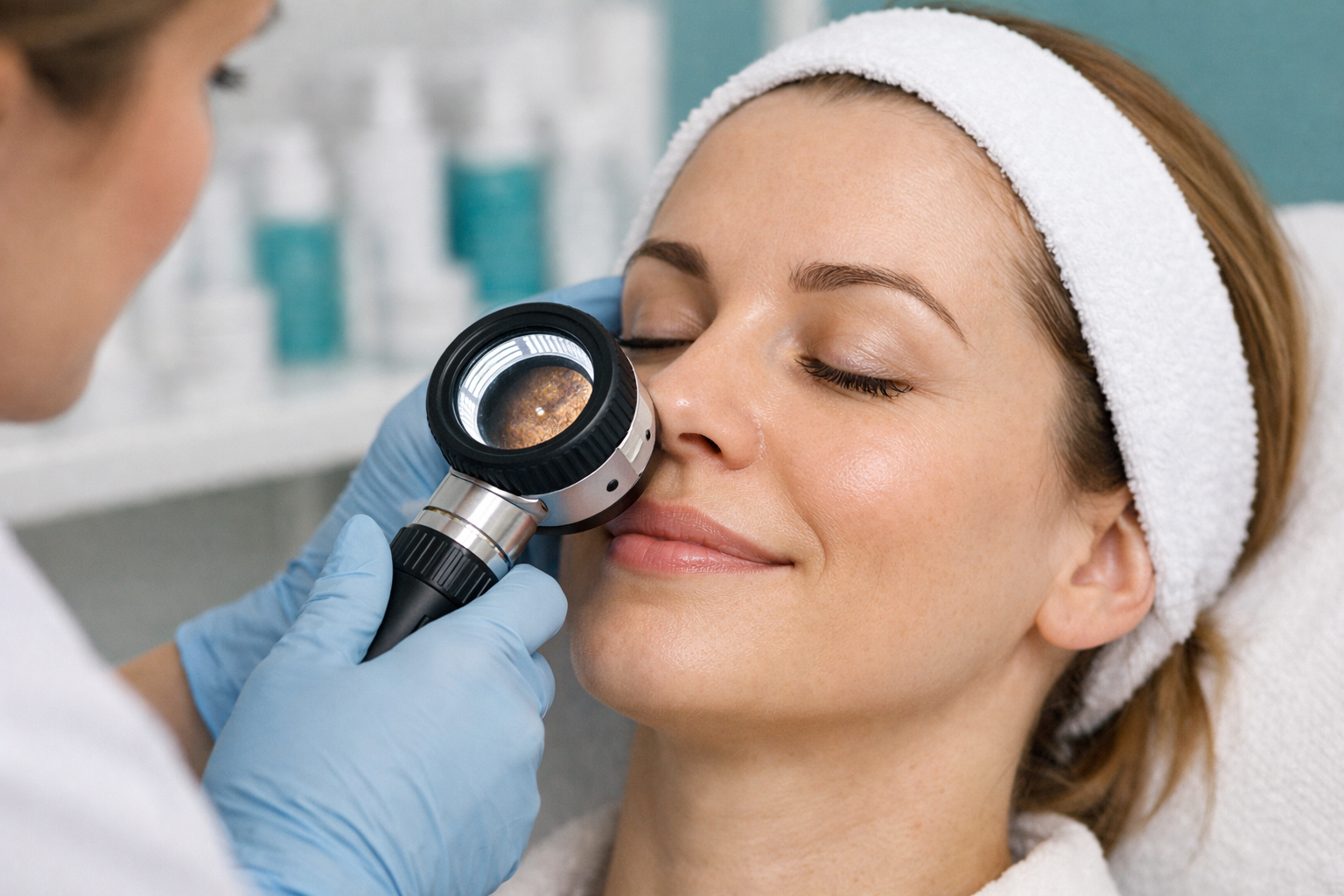
We assess your skin under clinical lighting and, where appropriate, use advanced skin technology to evaluate pore size, oil production levels, bacterial activity, and any underlying sensitivity or rosacea. This tells us exactly what’s happening beneath the surface.
Step 2: Medical and Lifestyle History
Acne doesn’t exist in isolation. We ask about hormonal patterns, stress levels, diet, current skincare routine, medications, and previous treatments. A patient who’s been on long-term antibiotics, for example, needs a different approach than someone who’s never sought treatment before.
Step 3: Treatment Mapping
Based on the analysis, we build a phased plan. This typically includes:
Active treatment phase — targeting current breakouts and inflammation (usually 8–12 weeks)
Repair phase — addressing scarring, pigmentation, and skin barrier recovery
Maintenance phase — long-term skin health strategies to prevent recurrence
Step 4: Home Care Prescription
We recommend medical-grade skincare products that complement your in-clinic treatments. This isn’t about selling products — it’s about ensuring the work we do in the clinic isn’t undone by an incompatible home routine.
Step 5: Regular Reviews
Skin changes. Hormones shift. Seasons affect oil production. We schedule follow-up assessments to adjust your plan as needed.
Edge case: Patients with both acne and rosacea need especially careful planning. Many acne treatments (strong peels, retinoids at high concentrations) can trigger rosacea flares. We use gentler protocols and build tolerance gradually. If this applies to you, mention it at your consultation — it changes the treatment approach significantly.
For a full overview of the treatments we offer, visit our treatments page.
What Is the Psychological Impact of Acne — and How Does Treatment Help?
Acne affects far more than skin. This is one of the most important and most overlooked aspects of the condition.
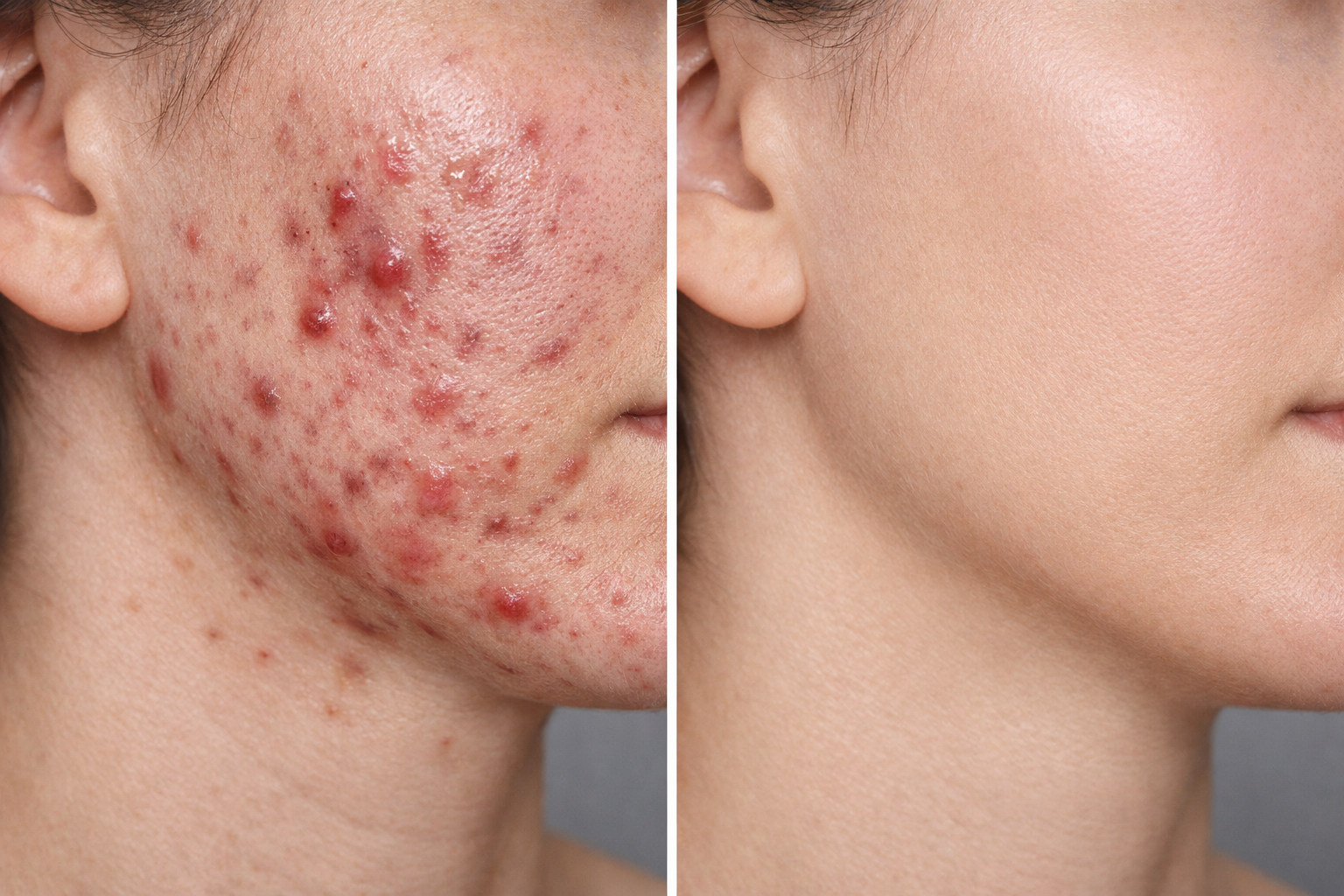
Research published in the British Journal of Dermatology (2018) found that acne patients had a 63% increased risk of developing depression compared to those without acne. The psychological burden includes anxiety, reduced self-esteem, social withdrawal, and in severe cases, clinical depression. These effects are not trivial, and they don’t always correlate with acne severity — even mild acne can cause significant emotional distress if it’s persistent.
At Dermacy Clinic, we take the emotional well-being of our patients seriously. We’ve seen first-hand how clearing someone’s skin changes more than their complexion. One patient, a university student, described avoiding eye contact in lectures because he was convinced everyone was looking at his skin. After completing a course of LED therapy and chemical peels over three months, he said the biggest change wasn’t his skin — it was that he’d started raising his hand in class again.
How professional treatment supports emotional well-being:
Visible progress builds momentum. When patients see real improvement within weeks (not months of hoping a new cleanser will work), it reduces the sense of helplessness.
Expert reassurance matters. Understanding why your skin behaves the way it does — and knowing there’s a clear plan — reduces anxiety about the condition.
Confidence compounds. Clearer skin often leads to better social engagement, improved professional confidence, and a more positive self-image.
This is why we consider the psychological impact of aesthetics a core part of our patient care, not an afterthought. Treating acne is about restoring skin health and confidence.
What Should You Expect During Recovery and Aftercare?
Detailed recovery and aftercare guidance is something many clinics gloss over, but it’s critical to your results. Here’s what to expect after the most common acne treatments at Dermacy Clinic.
Post-Chemical Peel
Days 1–3: Mild redness, tightness, possible light flaking. This is normal — your skin is renewing.
Days 4–7: Peeling subsides. Skin may look brighter but feel sensitive.
Do: Use a gentle, fragrance-free moisturiser and SPF 30+ daily. Avoid active ingredients (retinol, vitamin C, AHAs) until cleared by your practitioner.
Don’t: Pick at peeling skin. Avoid direct sun exposure and hot environments (saunas, steam rooms) for at least 72 hours.
Post-LED Therapy
Immediately after: No visible side effects for most patients. Some mild warmth.
Do: Continue your normal skincare routine unless advised otherwise.
Don’t: Assume one session is enough. LED therapy is cumulative — consistency matters.
Post-Microneedling
Days 1–2: Redness similar to mild sunburn. Minor swelling possible.
Days 3–5: Redness fades. Skin may feel dry or tight.
Do: Use a hydrating serum and SPF. Keep skin clean. Avoid makeup for 24 hours.
Don’t: Use active exfoliants for at least 5–7 days. Avoid swimming pools and gyms for 48 hours (bacteria risk).
General Aftercare Principles for All Treatments
Sun protection is non-negotiable. Treated skin is more vulnerable to UV damage, which can worsen pigmentation and slow healing.
Hydrate your skin barrier. Even oily, acne-prone skin needs moisture after clinical treatments.
Follow your prescribed home care routine. Medical-grade skincare products recommended by your practitioner are chosen for a reason.
Report anything unusual. Prolonged redness, swelling, or breakouts that seem different from your normal acne should be flagged with the clinic promptly.
Mistake to avoid: Returning to harsh, stripping cleansers immediately after treatment. Your skin barrier needs support during recovery, not aggression.
If you have questions about any aspect of treatment or aftercare, our FAQ page covers common concerns, or you can contact us directly.

How Do You Choose the Right Acne Clinic in Doncaster?
Not all clinics offering acne treatment in Doncaster are equal. Here are the key factors to evaluate before committing to any provider.
1. Practitioner Credentials
Look for qualified aesthetic nurse practitioners or medical professionals with specific training in dermatological conditions. Ask about their qualifications, professional association memberships, and years of experience treating acne specifically — not just performing aesthetic treatments in general.
2. Consultation Quality
A good clinic will never recommend a treatment before assessing your skin. If someone suggests a treatment plan without examining you, asking about your history, or explaining the reasoning — that’s a red flag.
3. Range of Treatment Options
Acne is complex. A clinic that only offers one treatment (e.g., only facials, or only peels) may not be equipped to handle your specific type. Look for a clinic with multiple evidence-based options.
4. Transparent Pricing
You should know what treatments cost before committing. Check whether the clinic publishes a clear price list and whether consultations are included or charged separately.
5. Patient Reviews and Results
Real patient testimonials and documented before-and-after results give you honest insight into what a clinic can deliver. Be cautious of clinics that only show heavily filtered or edited images.
6. Aftercare Support
The best clinics don’t disappear after your treatment session. Ongoing support, follow-up appointments, and accessible communication are signs of a patient-focused practice.
7. Safety Standards
Ensure the clinic follows proper hygiene protocols, uses medical-grade products, and operates in a clean, clinical environment. Patient safety should always come first.
Decision rule: If a clinic pressures you into booking treatments during your first visit, or if they can’t clearly explain why a specific treatment is right for your skin, consider looking elsewhere.
Is Professional Acne Treatment Worth the Investment?
This is a fair question, and the honest answer depends on your situation.
When professional treatment is clearly worth it:
You’ve tried over-the-counter products for 3+ months without meaningful improvement
Your acne is leaving scars or dark marks
You have sensitive skin or rosacea that makes self-treatment risky
Acne is affecting your confidence, social life, or mental health
You want faster, more predictable results than trial-and-error at home
Cost-benefit perspective:
Many patients spend significant amounts on retail skincare products that don’t work — cycling through cleansers, serums, and spot treatments month after month. When you add up those costs over a year, professional treatment often represents better value because it’s targeted, supervised, and more likely to produce lasting results.
A typical course of acne treatment at a professional clinic might include an initial consultation, 4–6 treatment sessions, and a home care plan. While the upfront cost is higher than a single tube of cream, the outcomes are measurably different.
For current pricing at Dermacy Clinic, see our price list.
Conclusion
Acne is a medical skin condition that deserves medical-level care. If you’re in Doncaster and struggling with persistent breakouts, sensitivity, redness, or post-acne scarring, professional treatment at an expert acne clinic can make a genuine, lasting difference — for your skin and your confidence.
At Dermacy Clinic, we combine professional skin analysis, advanced skin technology, and personalised treatment plans to address acne at its source. We treat every patient as an individual, because that’s what effective skincare requires.
Your next steps:
Book a consultation. A thorough skin assessment is the starting point for any effective acne treatment. Get in touch with us to schedule yours.
Stop guessing. If you’ve been cycling through products without results, it’s time for a professional opinion.
Ask questions. Bring your concerns, your history, and your goals. We’re here to listen, explain, and build a plan that works for you.
Clearer skin isn’t about perfection — it’s about progress, health, and feeling comfortable in your own skin again. We’re here to help you get there.
Frequently Asked Questions
What types of acne can Dermacy Clinic treat?
We treat all common acne types, including comedonal (blackheads and whiteheads), inflammatory, cystic, and hormonal acne. We also address post-acne concerns like scarring and hyperpigmentation.
Is acne treatment safe for sensitive skin or rosacea?
Yes. We carefully select treatments that won’t aggravate sensitivity or rosacea. LED light therapy, for example, is gentle enough for reactive skin. Your consultation will identify any co-existing conditions so we can plan accordingly.
How many sessions will I need to see results?
Most patients notice visible improvement within 4–6 sessions, depending on the treatment type and acne severity. We’ll give you a realistic timeline during your consultation.
What are dermal fillers, and are they related to acne treatment?
Dermal fillers are injectable treatments used primarily for facial volume restoration and anti-aging. They’re not a direct acne treatment, but they can help improve the appearance of deep, indented acne scars. Learn more about our aesthetic treatments in Doncaster.
How do non-surgical treatments improve skin health?
Non-surgical cosmetic procedures like chemical peels, LED therapy, and microneedling stimulate the skin’s natural repair processes — boosting collagen production, reducing inflammation, and improving cell turnover — without the risks or downtime of surgery.
Can I wear makeup after acne treatment?
It depends on the treatment. After LED therapy, you can apply makeup immediately. After chemical peels or microneedling, we recommend waiting 24 hours minimum to avoid irritation or infection.
Do you offer anti-wrinkle injections alongside acne treatment?
Yes. Many patients combine acne treatment with other aesthetic services. We offer anti-wrinkle injections and other non-surgical cosmetic procedures as part of a broader skin health plan.
What should I look for when choosing an aesthetic practitioner?
Look for verified clinical qualifications, specific experience with your condition, transparent communication, and a consultation-first approach. A good practitioner will explain risks and realistic outcomes honestly.
How much does acne treatment cost at Dermacy Clinic?
Treatment costs vary based on the type and number of sessions required. We publish transparent pricing on our price list page and discuss all costs during your initial consultation.
Will my acne come back after treatment?
Acne can recur, especially if driven by hormonal factors. That’s why we build long-term maintenance plans — not just short-term fixes. Ongoing skin health strategies and periodic check-ins help keep your skin clear.
References
Vallerand, I.A. et al. (2018). “Depression and the Risk of Acne: A Population-Based Cohort Study.” British Journal of Dermatology, 178(3), pp. 525–530.
National Institute for Health and Care Excellence (NICE). (2021). “Acne vulgaris: management.” NICE guideline [NG198]. https://www.nice.org.uk/guidance/ng198
SEO Meta Title: Acne Treatment Doncaster | Expert Acne Clinic | Dermacy Clinic
SEO Meta Description: Expert acne treatment in Doncaster at Dermacy Clinic. Personalised plans for all skin types, including sensitive skin and rosacea. Book your consultation today.
Tags: acne treatment Doncaster, expert acne clinic, Dermacy Clinic, acne scarring treatment, sensitive skin acne, rosacea treatment, LED light therapy acne, chemical peels for acne, personalised skincare plans, medical-grade facials, skin rejuvenation Doncaster, aesthetic clinic Doncaster