Skin Tag Removal Doncaster
Skin tag removal in Doncaster with targeted CryoIQ cryotherapy. Personal assessment and nurse-driven care at our medical aesthetics and advanced skin clinic in Armthorpe.
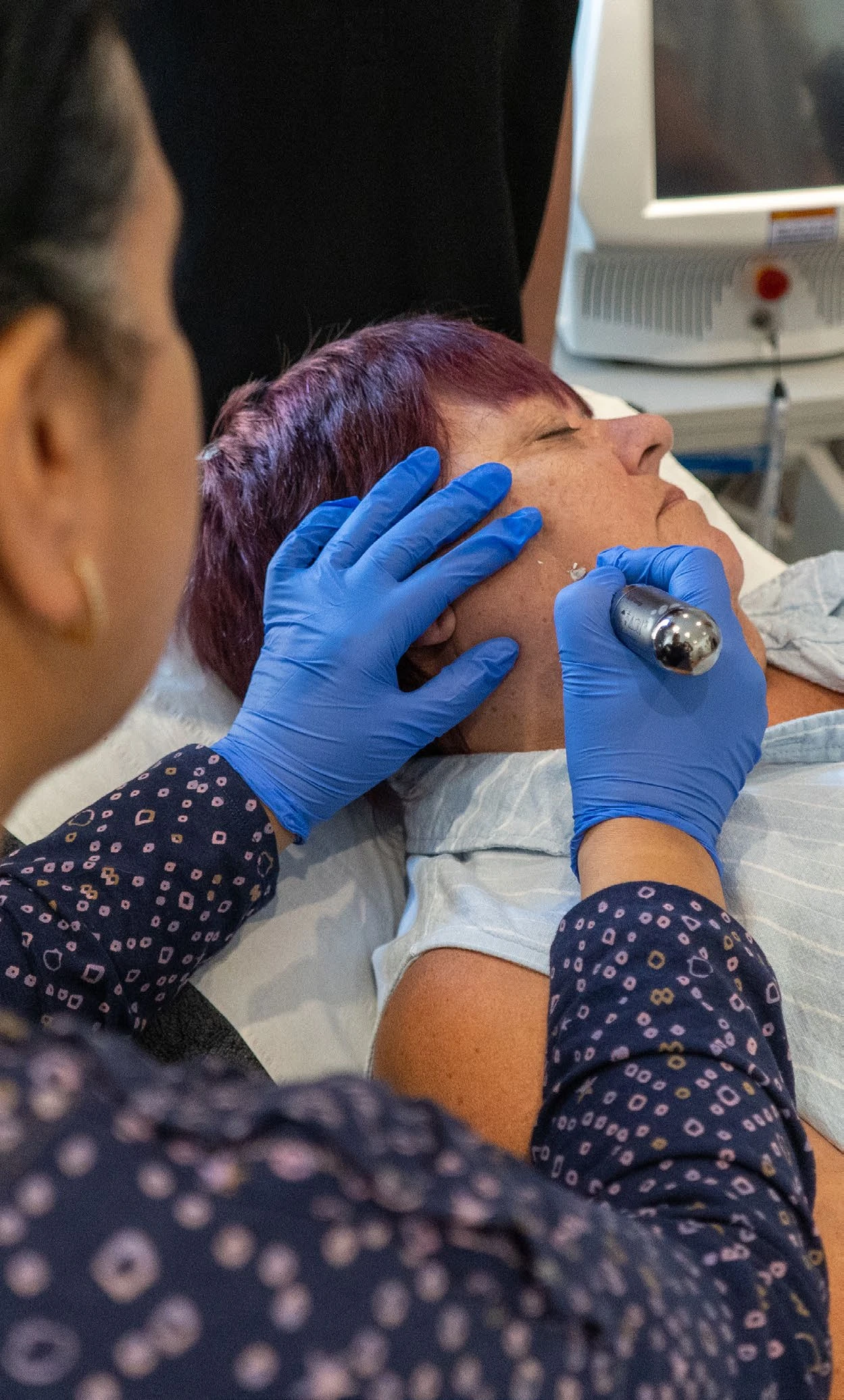
What happens during CryoIQ skin tag removal?
We first check whether your skin tag is suitable for cryotherapy. We then measure it and confirm the price before applying targeted CryoIQ freezing. You receive aftercare advice and a review if needed.
Clinical care, with time to explain your options
Dermacy brings medical aesthetics and advanced skin care together in Armthorpe. Our nurse-driven cryotherapy service begins with your concerns, a suitability assessment and a clear explanation of what treatment involves.
Suitability before treatment
Not every raised mark is a skin tag. We consider its appearance, location and history before deciding whether cryotherapy is appropriate.
Care from assessment to aftercare
Your medical history, consent, treatment plan and aftercare are discussed before the procedure.
The right next step
When a lesion needs medical review, we explain why cosmetic freezing should wait.
Local Doncaster access
Dermacy is directly next to ALDI in Armthorpe, with dedicated customer parking in front of the clinic.
CryoIQ treatment, from application to results
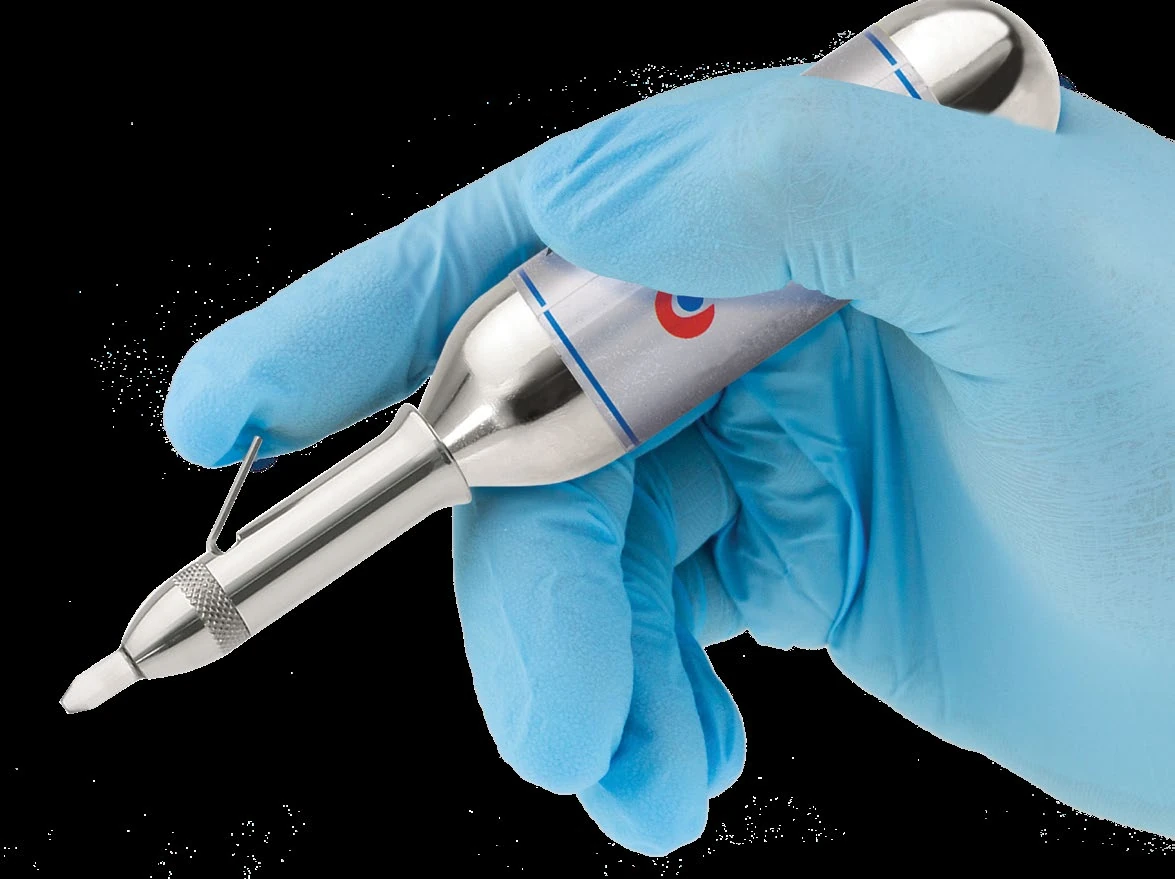
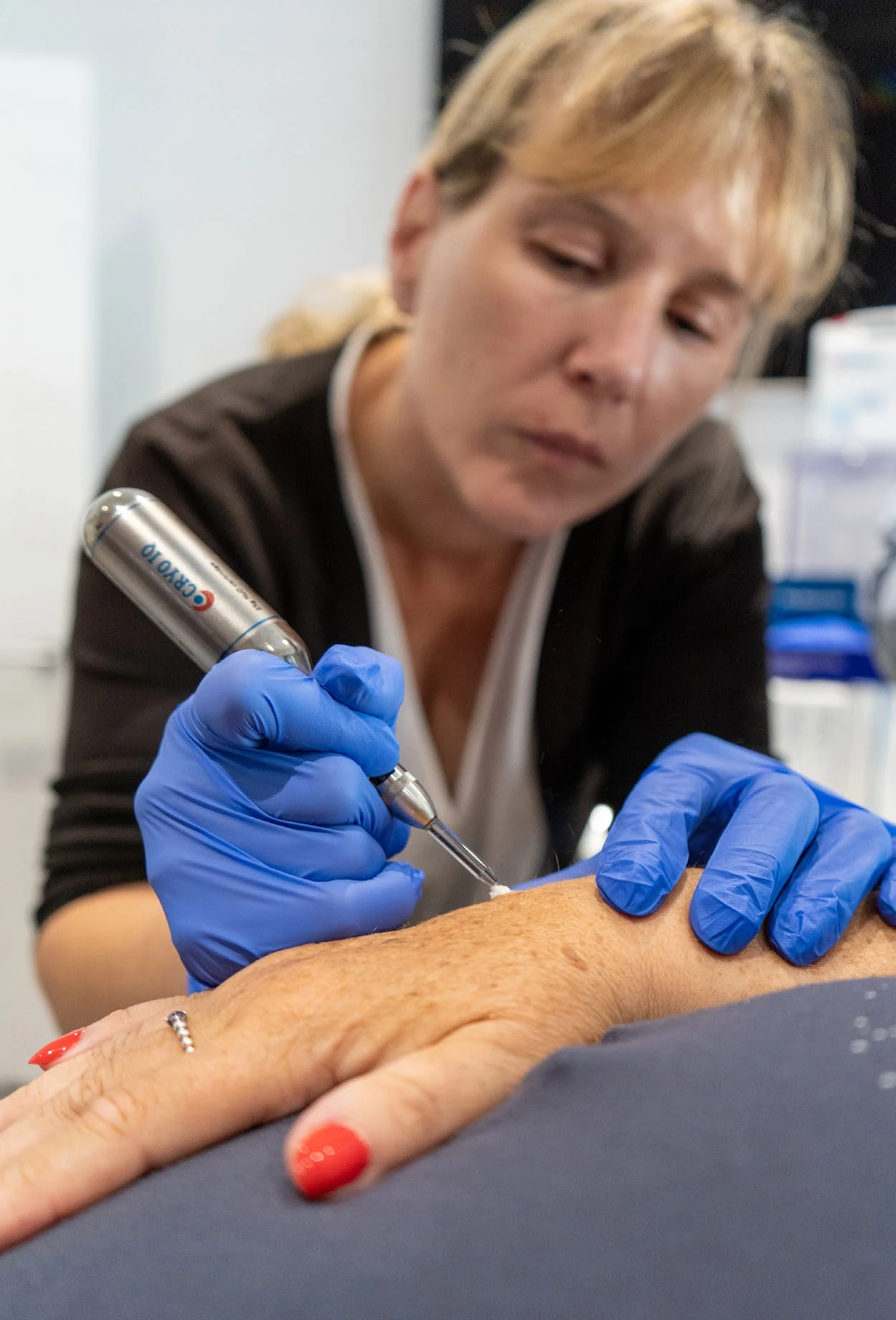
See the CryoIQ device, a treatment demonstration and an example result. These educational photographs are from CryoIQ / Cryosthetics, not Dermacy patient appointments.
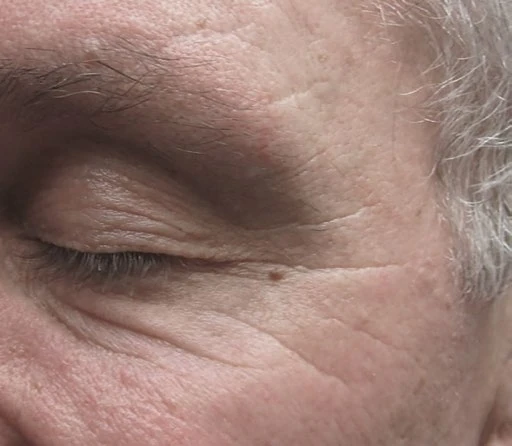
What is a skin tag?
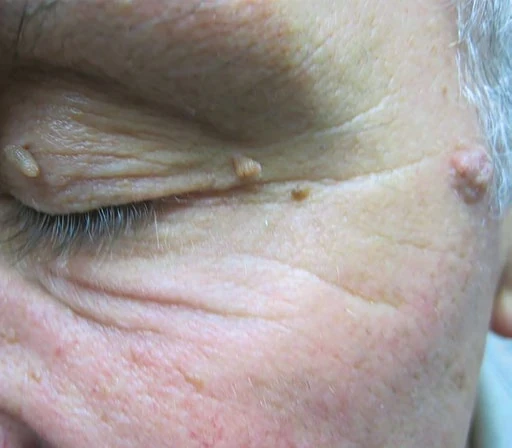
NHS guidance describes skin tags as soft, skin-coloured growths that are very common and usually harmless. They often look as if they are hanging from the skin and commonly appear where skin rubs or folds.
Skin tags are not the same as warts or moles
Skin tags are usually soft and may hang from the surface. NHS guidance notes that warts are more often firm, raised and rough, while moles are usually flatter and round or oval. A photograph can help explain appearance, but it should not be used to self-diagnose a lesion.
“It looks like a skin tag” is not the same as confirming suitability
A skin tag, wart, mole and other raised lesion can look similar to a non-specialist. An in-person assessment helps establish whether cosmetic cryotherapy is appropriate. Online photographs cannot confirm the diagnosis.
See a GP when the pattern changes
NHS guidance advises seeing your GP if a skin tag gets bigger, becomes painful or starts bleeding, or if you develop many skin tags.
How CryoIQ advanced cryotherapy works
Cryosthetics describes CryoIQ as an advanced cryotherapy device that emits a fine jet of super-cold gas under high pressure, allowing the practitioner to work with millimetre precision. The selected superficial tissue is frozen in a highly localised application.
Dermacy uses CryoIQ freezing for this skin-tag service, not laser. The application may be brief, but suitability and the treatment location are checked first.
Localised application
The applicator focuses the freeze on the selected superficial lesion rather than treating a broad surrounding area.
Controlled tissue freezing
The treatment creates a cold injury in the selected tissue so the treated lesion can resolve through the healing process.
Review the response
We review how the area heals and whether the lesion has cleared. Some lesions need a repeat treatment.
Focused treatment of the selected lesion
Your practitioner controls where the cold is applied. Treatment only proceeds after suitability has been checked.
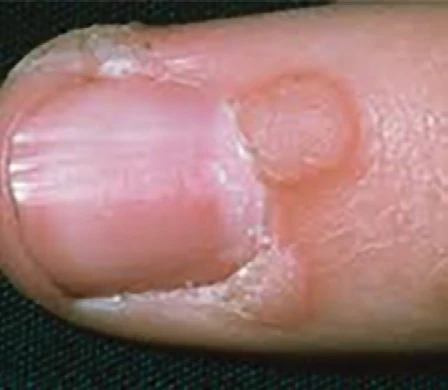
Skin tag, wart or mole?
These educational images illustrate different skin lesions. Similar-looking marks can need different care, and a photograph cannot confirm a diagnosis or treatment suitability.
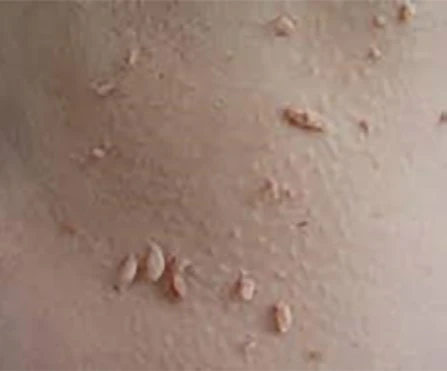 Tag-like
Soft or hanging lesions
A tag-like appearance can suggest a skin tag, but treatment suitability still depends on the lesion, its history and its location.
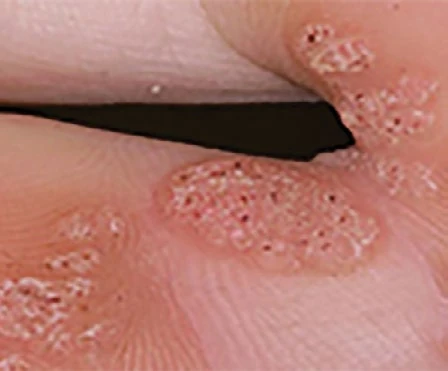 Wart-type
Rough or wart-like lesions
Warts are a different lesion category. A rough, firm or irregular surface should not be booked as a skin tag simply because it is raised.
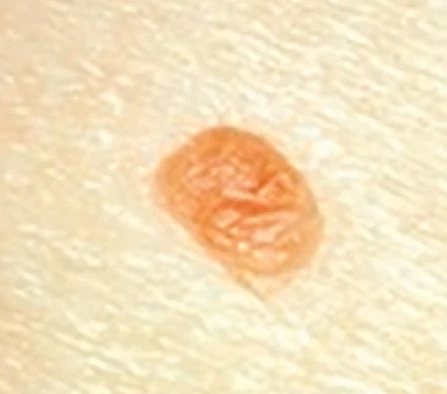 Pigmented
Pigmented or mole-like marks
A pigmented, changing or uncertain mark needs assessment before treatment. Do not book skin-tag freezing based on appearance alone.
 Unsure?
Not sure what it is?
You do not need to identify the lesion yourself. Start with an assessment rather than guessing which treatment or price applies.
Use the appointment guide →Targeted cold instead of heat or cutting
There are several professional ways to remove a skin tag. For this service, Dermacy has chosen CryoIQ advanced cryotherapy: a fine, targeted cold-gas application that avoids laser heat and avoids cutting. Suitability is checked first, because the right decision starts with confirming that the lesion is appropriate for cosmetic treatment.
CryoIQ cryotherapy
A fine jet of nitrous oxide is directed at the selected superficial lesion after suitability and size are checked. Cryosthetics describes the device as allowing millimetre-precision application, with treatment bursts typically lasting only seconds.
- Millimetre precision
- No laser heat
- No blade
- Seconds-long application
Laser
Laser uses light energy that produces heat in the target tissue, unlike the cold used by CryoIQ.
- Heat generated
- Light energy
- Different settings
- Not used for this service
Heat / cautery
Cautery or electrodesiccation uses heat or electrical energy to destroy the skin tag. The treated area then heals through a scab or small wound.
- Thermal energy
- Scab / wound care
- Heat based
- Not used for this service
Snip / excision
The skin tag is physically removed with sterile scissors or a blade. The area is normally numbed first and may need bleeding control, a dressing and wound aftercare.
- Blade / scissors
- Local anaesthetic
- Bleeding control
- Wound aftercare
Precision where it matters. No laser heat. No blade.
For a suitable skin tag, CryoIQ gives the practitioner a fine, targeted cold-gas application without an incision and without using thermal laser energy. We assess first, measure the lesion, treat only when appropriate and review the response if needed.
Where do skin tags commonly appear?
NHS guidance says skin tags often develop where skin rubs together or folds. Location matters to treatment planning, and sensitive or high-risk areas need more careful assessment.
Neck
One of the most common areas, especially where collars or jewellery create friction.
Underarms
A common skin-fold area where friction can make tags more noticeable or irritating.
Face
Facial lesions need careful visual assessment because several lesion types can look similar.
Under breasts
Skin folds and repeated rubbing can be associated with skin tags in this area.
Eyelids
Skin tags can occur here, but the eye area needs specific assessment. Contact the clinic before booking to confirm whether treatment is appropriate.
Which skin-tag appointment should I book?
Answer three short questions to help you choose an appointment or recognise when medical advice should come first. The guide cannot diagnose a skin condition or confirm that treatment is suitable.
Which description is closest?
Choose the closest description. If you are unsure, say so.
Has anything changed recently?
Recent changes can mean you need medical advice before cosmetic treatment.
How many and roughly how large?
The clinic measures the lesion and confirms the treatment price.
Your CryoIQ treatment, from assessment to healing
The freezing application may be brief. Your care also includes suitability checks, measurement, aftercare advice and review if needed.
Clarify the concern
We discuss the lesion, its history and whether it can be considered for cosmetic treatment.
A clear next stepCheck suitability
Appearance, site, symptoms and any recent change are considered before treatment.
Safety before treatmentMeasure and price
We measure the lesion and confirm the treatment price before proceeding.
Clear treatment feeTargeted freezing
A controlled CryoIQ cold-gas application is directed at the selected superficial lesion.
Precise applicationLeave the area alone
Redness, swelling, blistering, darkening or crusting can occur while the treated site settles.
Aftercare supports healingCheck the response
Incomplete clearance or recurrence can occur, and repeat treatment may sometimes be needed.
Review the next stepYou receive more than the freezing application. We check suitability, confirm the price and explain aftercare and when a review may be needed.
When to book, and when to ask us first
A soft tag-like lesion with no concerning recent change, in a site where CryoIQ can be applied safely, and with realistic expectations about healing.
You are not sure whether it is a skin tag, it is larger or in a sensitive location, previous treatment has not cleared it, or you are unsure which booking band applies.
Seek medical advice first for a new or clearly changing lesion, bleeding, pain, an irregular appearance or an uncertain pigmented mark.
When medical review comes first
This service is not a skin-cancer check and does not diagnose a mole, wart or other lesion. If the history or appearance raises concern, cosmetic freezing is not the first step.
- Medical advice comes before cosmetic treatment
- Changing, bleeding or painful lesions need medical assessment
- GP or other appropriate clinical assessment may be advised
What can happen after CryoIQ treatment?
Recovery is not identical for everyone. Site, lesion size, skin tone and individual response can all affect what the area looks and feels like while it settles.
Cold response
The area may feel tender and can become red or swollen after treatment.
Temporary visible changes
The site may blister, darken or look more noticeable temporarily.
Leave it alone
A crust may form. Do not pick or deliberately remove it.
Colour changes
The treated skin may become lighter or darker. Discuss the risk of colour changes with your practitioner, particularly if you have a darker skin tone.
Check clearance
Incomplete clearance or recurrence can occur and a repeat session may sometimes be needed.
What CryoIQ can and cannot promise
CryoIQ can provide targeted treatment for a suitable superficial lesion after assessment, but no cosmetic treatment can guarantee complete clearance, a permanent result or an identical healing course for every person.
Incomplete clearance, recurrence, infection, scarring and lighter or darker pigment are possible. A repeat session may sometimes be needed.
The treated area may become red, sore or swollen and may blister, darken or form a crust while it settles.
One treatment may be enough for some lesions, while incomplete clearance or recurrence can mean review or repeat treatment is needed.
The treated skin can become lighter or darker. Your practitioner will discuss this risk with you, particularly if you have a darker skin tone.
What should I know before booking?
Benefits and limitations both matter. Cryotherapy can be useful for selected lesions, but cosmetic treatment is not risk-free and individual healing responses vary.
Incomplete clearance
A lesion may not fully resolve after one application, which is why repeat treatment or review may be needed.
Scarring or infection
Scarring and infection are possible. Your practitioner will discuss these risks and aftercare before you decide.
Pigment change
Lighter or darker pigment can occur after removal, with NHS guidance specifically noting hyperpigmentation risk after skin-tag removal.
Skin-tag treatment: an example result
These educational before-and-after photographs are from CryoIQ / Cryosthetics. They do not show a Dermacy patient or predict your result or suitability for treatment.
Drag the handle to compare the educational before-and-after images.
Skin-tag treatment: before and after
Results and healing vary. These photographs are supplied by CryoIQ / Cryosthetics and used with permission; they do not show a Dermacy patient.
A named practitioner. A clear conversation.
Dermacy is a medical aesthetics and advanced skin clinic, working with doctors and consultants across selected services. Our skin-tag service is nurse-driven; the practitioner responsible for your appointment is confirmed when you book.
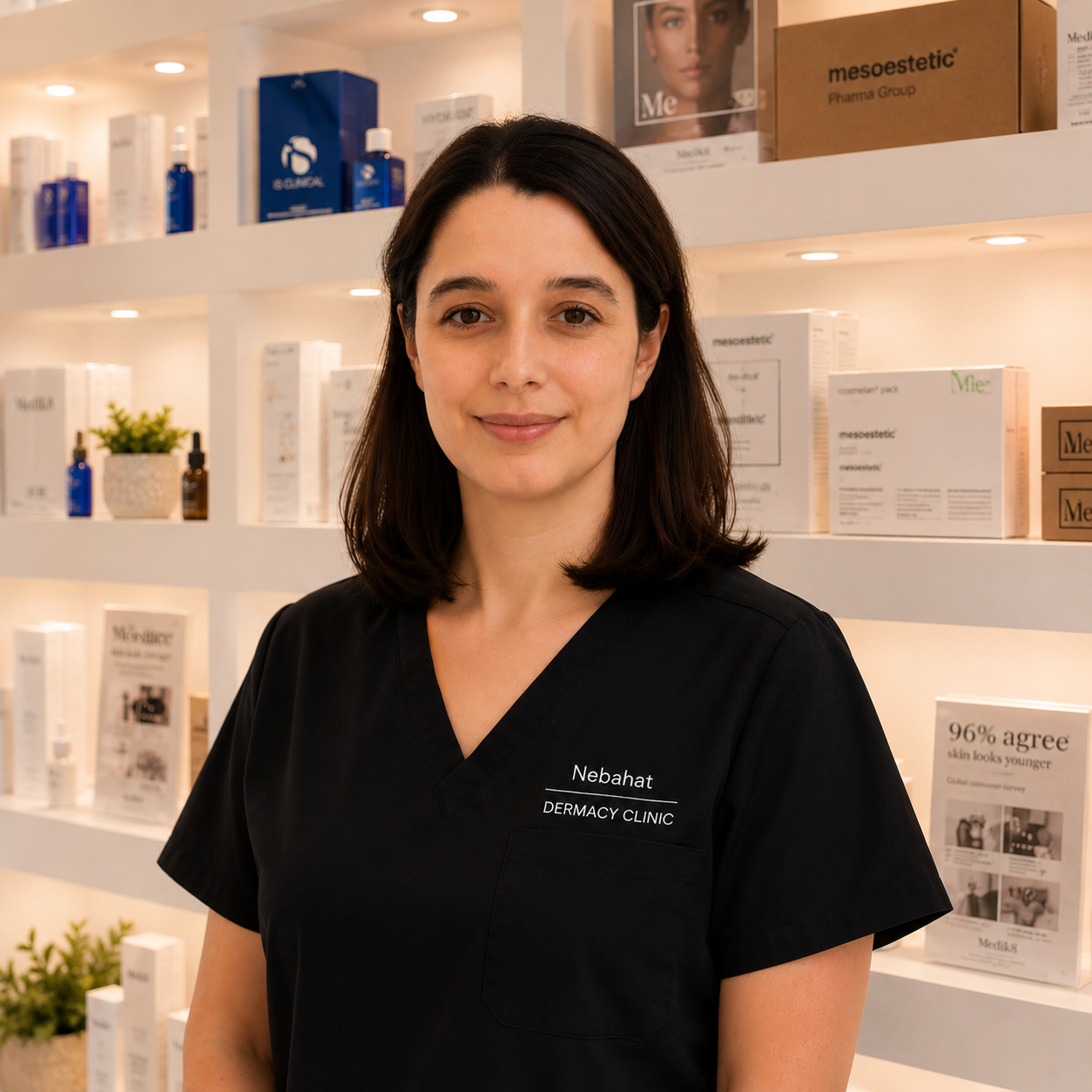
Aesthetic Nurse
Nebahat Karadag
Aesthetic Nurse
Discuss your concerns, ask about your options and understand the suitability checks, consent and aftercare involved in cryotherapy.
Ask the clinic a question →Know who is treating you
We will confirm the practitioner and whether an assessment is needed before you select a treatment appointment.
Doctors and consultants work with Dermacy across selected services. Our skin-tag appointments are nurse-driven, and we confirm who will treat you when you book.
View Practitioners & AppointmentsCan skin tags be removed on the NHS?
NHS guidance states that skin tag removal is considered cosmetic surgery and is not available on the NHS for cosmetic reasons, so people will usually need to pay privately.
See your GP if a skin tag gets bigger, becomes painful or starts bleeding, or if you develop many skin tags. Medical assessment is separate from cosmetic removal.
Read NHS Skin Tag GuidanceSkin tag removal in Armthorpe, Doncaster
Find us next to Aldi in Armthorpe, with dedicated customer parking directly outside. The address and directions below will help you plan your appointment.
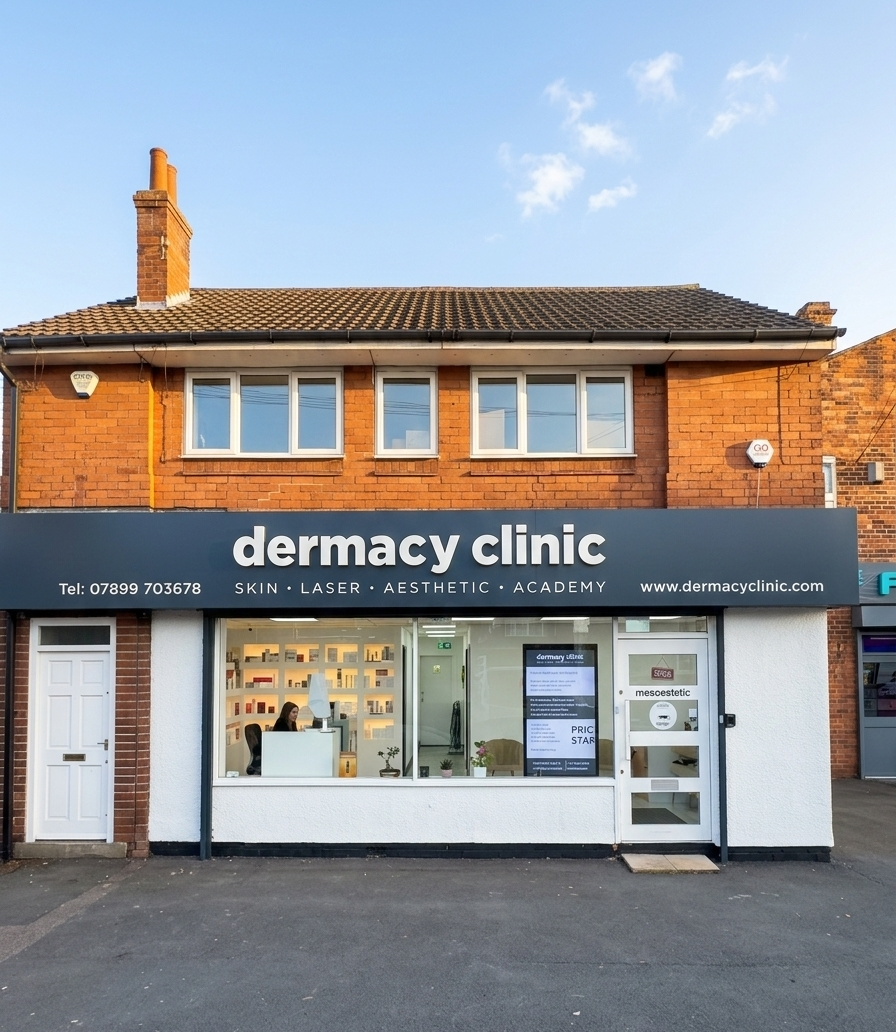
Park View, Church Street, Armthorpe, Doncaster DN3 3AG
Next to Aldi in Armthorpe, with dedicated Dermacy customer parking directly in front of the clinic.
Our Armthorpe location is convenient for Doncaster and nearby areas including Edenthorpe, Kirk Sandall, Cantley, Branton, Bessacarr, Intake, Wheatley Hills and Auckley.
Skin tag removal FAQs
Clear answers about prices, treatment, healing and the right next step for your skin.
A £30 Cryotherapy Consultation is fully redeemable against treatment if you proceed.
Ask Dermacy on WhatsAppHow much does skin tag removal cost in Doncaster?
Skin tag treatment starts from £65 for a small lesion, £85 for a medium lesion and £95 for a large lesion. Within the same treatment plan, each additional small lesion is +£10, medium lesion +£15 and large lesion +£30. The £30 Cryotherapy Consultation is deducted in full from the treatment price if you proceed.
Can I get a skin tag removed on the NHS?
The NHS states that skin tag removal is considered cosmetic surgery and is not available on the NHS for cosmetic reasons, so people will usually need to pay privately. If a skin tag gets bigger, becomes painful, starts bleeding or you develop lots of them, NHS guidance says to see a GP.
Does CryoIQ skin tag removal hurt?
A cold, stinging or painful sensation can occur during or after treatment. How it feels varies with the person, the site and the lesion. Your practitioner will explain what to expect and discuss any concerns about discomfort before you decide.
Is cryotherapy or laser better for skin tags?
Dermacy uses CryoIQ cryotherapy for suitable skin tags, not laser. CryoIQ applies a fine jet of very cold gas to freeze the selected tissue; laser uses light energy that generates heat. The appropriate method depends on the lesion, its location and whether it is suitable for cosmetic treatment.
How many sessions will I need?
A single treatment may be enough for some suitable lesions, while others may need review or repeat treatment. The number of sessions cannot be guaranteed before the lesion has been assessed and its response to treatment is known.
How long does healing take after cryotherapy?
Healing time varies by body site, lesion size and individual response. The treated area can become red, sore or swollen and may blister, darken or form a crust before it settles. Your practitioner will explain aftercare and when a review is appropriate.
Can skin tags come back?
The NHS says that once a skin tag is removed it does not usually return in the same place, but new skin tags can develop elsewhere. Incomplete clearance is also possible after cosmetic cryotherapy, so a review or repeat session may sometimes be needed.
Where do skin tags commonly appear?
NHS guidance says skin tags commonly appear where skin rubs or folds, including the neck, underarms, eyelids, under the breasts and around the bottom. We assess the exact location before treatment because not every area or lesion is suitable for cryotherapy.
Can you remove skin tags near the eyes?
The eye area needs specific assessment. Contact the clinic before booking so we can confirm whether your exact location can be assessed and treated. Not every eyelid lesion is suitable for cosmetic removal.
Do I need a dermatologist to remove a skin tag?
A typical stable skin tag does not automatically require a dermatologist, but cosmetic treatment should only proceed when the lesion is sufficiently clear and suitable. New, changing, bleeding, irregular, painful or uncertain lesions are not frozen at Dermacy and may need appropriate medical assessment.
Can you remove warts, moles or other lesions with CryoIQ?
Cryotherapy can treat selected superficial lesions, but skin tags, warts and moles are different. This service focuses on suitable skin tags. If you are unsure what the lesion is, start with a Cryotherapy Consultation rather than choosing treatment from a photograph.
Should I remove a skin tag myself?
No. NHS guidance advises against removing a skin tag yourself because of risks including infection, bleeding and scarring. If you are uncertain about a lesion or it is changing, painful or bleeding, seek appropriate medical advice rather than trying to cut, burn or freeze it at home.
Trusted treatment information
Read the NHS advice on skin tags, the device supplier’s cryotherapy information and Dermacy’s appointment menu.
Advice about skin tags, removal options, NHS availability and when to see your GP.
Read NHS advice →Device and training information about CryoIQ and its targeted cold-gas application.
Read CryoIQ training information →Patient information about how skin tags develop and how dermatologists remove them.
Read the skin-tag guide →View the clinic’s published consultation and treatment prices, then confirm which service and total charge apply to you.
View Dermacy appointments →Start with a clear plan for your skin tag
Choose Cryotherapy – CRYOIQ in our booking menu. Not sure what to book? Use the guide above or contact the clinic. New, changing, bleeding or painful lesions need medical advice before cosmetic treatment.