For blocked pores and dullness, start with a HydraFacial or an extraction facial. For texture and early signs of ageing, ask about chemical peels or microneedling. For persistent shaving bumps, laser hair reduction is worth discussing. The right choice depends on your skin, so book a consultation with skin analysis first. We offer these treatments at Dermacy Clinic in Doncaster.
TL;DR:
- For pseudofolliculitis, stopping shaving is the only certain cure; lasers may reduce hair growth but carry greater pigmentation risks in darker skin.
- Disclose medical history and medications before treatment, since some drugs affect healing or light reactions; ask whether the clinic will test a small area first.
- A visual skin scan and photographs can help track progress but do not provide a diagnosis, and not every treatment plan includes them.
- Most people need three or more laser hair reduction sessions, while results are not guaranteed permanent; confirm session costs and possible fees before booking.
- Choose a clinic that offers a formal consultation, explains practitioner training, obtains written consent, and provides written aftercare and photo records with your consent.
Table of Contents
- What professional facial treatments do men actually get?
- Which treatment suits shaving bumps, blackheads, dryness and ageing?
- What happens at an appointment, from consultation to aftercare?
- How do you choose a clinic and what should you ask before booking?
- What do treatments cost and how often should you repeat them?
- Where can you get these treatments in Doncaster?
- FAQ
- Sources
What professional facial treatments do men actually get?
Clinic menus can read like a foreign language, so here are the main options in plain terms.
- HydraFacial: ask the clinic what each option includes and whether it suits your concerns.
- Deep-cleansing and extraction facials: chosen when pores are congested and blackheads keep returning despite a good home routine.
- Chemical peels: ask a practitioner whether a peel is appropriate for your skin and concerns.
- Microneedling: discuss its potential benefits and limitations for your concerns with a practitioner.
- Laser resurfacing and light-based treatments: these may be considered for scarring and stubborn concerns, but can involve more downtime and careful aftercare. NHS laser resurfacing guidance notes that temporary redness, pigment changes or scabbing can occur.
- Facials for sensitive skin: ask whether the products and approach are suitable for your skin.
Not every treatment suits every skin type or season, and results vary from person to person.
Which treatment suits shaving bumps, blackheads, dryness and ageing?
Match the treatment to the concern, then let a practitioner confirm it.
- Shaving bumps: The British Association of Dermatologists says that stopping shaving is the only certain cure for pseudofolliculitis. Gentler technique and avoiding very close shaves help. Lasers and IPL can reduce hair growth but carry a higher pigmentation risk in darker skin, so a skin assessment matters. Our laser hair removal for men page explains what we offer.
- Blackheads and congested skin: ask a practitioner which options, if any, may be appropriate.
- Dehydration and dullness: discuss suitable treatment and home-care options with a practitioner.
- Ageing and texture: ask a practitioner about the potential benefits, limitations and number of sessions for any treatment you are considering.
- Sensitive beard area: choose gentler protocols and avoid aggressive treatments over inflamed skin.
Pro Tip: If bumps are painful, pus-filled or keep spreading, seek immediate emergency medical care. Do not rely on a cosmetic treatment to assess or treat them.
Cosmetic treatments do not replace medical diagnosis. For infected or persistent lesions, our acne treatment page explains when assessment comes before cosmetic care.
What happens at an appointment, from consultation to aftercare?
Knowing the pathway helps you prepare and spot a careful clinic.
- Consultation: you share your medical history and every medication you take. This matters because some medicines, acne drugs for example, change how skin heals or reacts to light.
- Visual skin analysis: a scan and photographs support the consultation and let you track progress. It is an assessment tool, not a diagnosis, and not every treatment plan uses it.
- Test patch: for lasers and peels, a small area is treated first. Leeds Teaching Hospitals describes test patches and photographs as routine for laser hair reduction.
- Treatment: duration and sensation vary by treatment. Temporary pinkness and swelling are common afterwards.
- Aftercare: ask your practitioner for instructions specific to the treatment and your skin, and seek advice if you are concerned about your recovery.
How do you choose a clinic and what should you ask before booking?
A short checklist tells you a lot before you pay anything.
- A formal consultation before any treatment
- Photographic records taken and stored with your consent
- A clear test patch policy for lasers and peels
- A named practitioner who can explain their relevant training and registration
- Written consent and aftercare instructions
Then ask: Who will perform my treatment? How many sessions will I need and what will they cost? Do I need to avoid sun or stop retinoids beforehand? What is your follow-up policy?
The government has consulted on licensing and tighter safety measures for non-surgical cosmetic procedures. While the government is consulting on possible changes, ask about the clinic’s assessment process, documentation and practitioner training. Our guide on choosing a laser hair removal clinic applies the same questions to laser.

What do treatments cost and how often should you repeat them?
Ask the clinic what its current prices cover, whether a course is being proposed and whether any consultation or test patch fees apply.
- Maintenance facials: often monthly to quarterly, depending on your skin and goals.
- Laser hair reduction: most people need three or more sessions. Ask your practitioner whether further sessions may be appropriate. Results are not guaranteed to be permanent.
- Microneedling: usually a course with intervals between sessions, set by your practitioner.
- Peels: spacing depends on strength and how your skin recovers.
Prices change, so check current figures on our laser hair removal and HydraFacial pages before booking.
Where can you get these treatments in Doncaster?
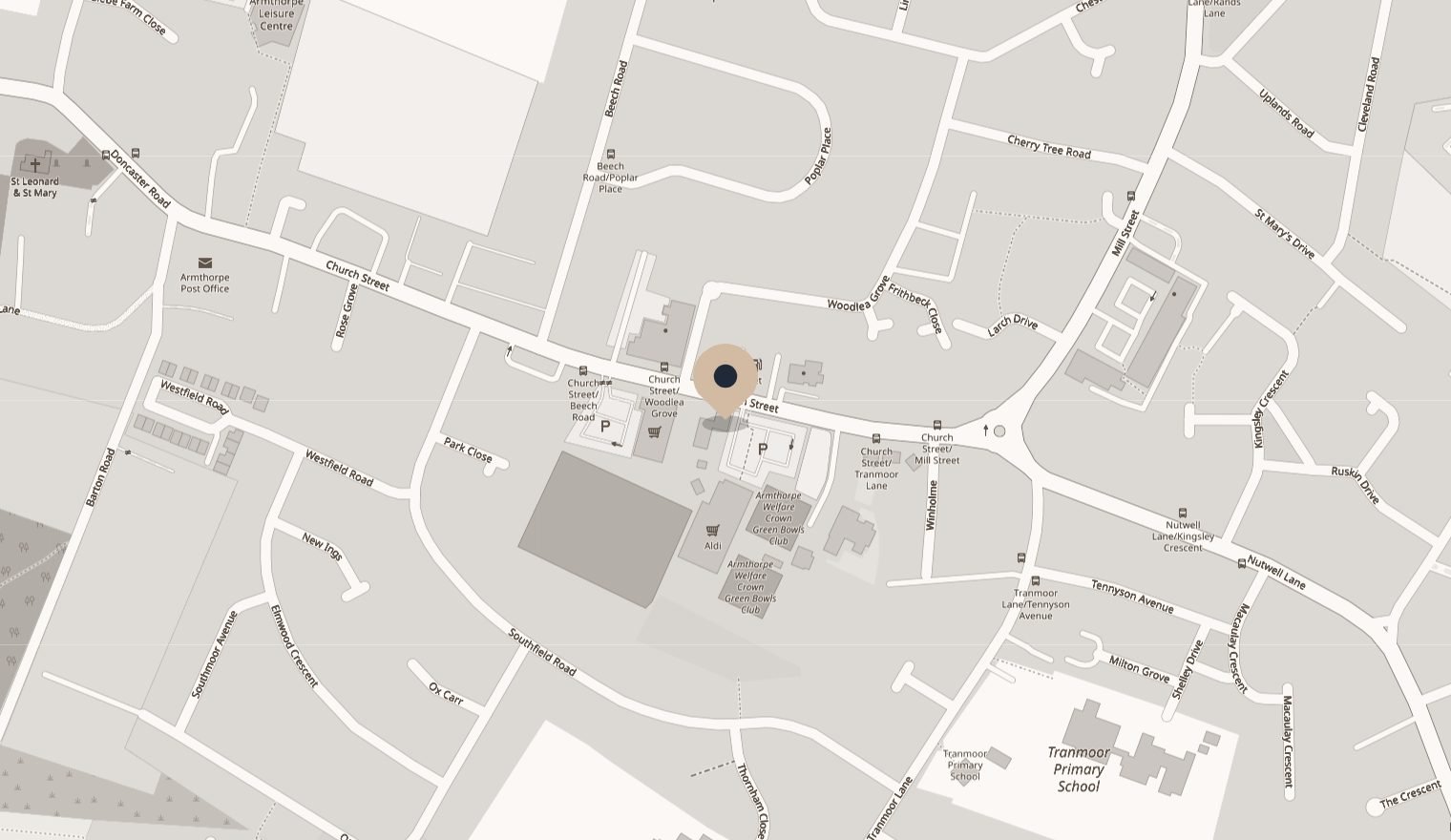
At Dermacy Clinic in Armthorpe, Doncaster, you can book:
- Signature, Deluxe and Platinum HydraFacial
- Laser hair removal, including for men
- Microneedling
- Chemical peels
- Cosmelan and Dermamelan pigmentation programmes
Ask the clinic about its consultation and visual skin analysis process, and whether photographs are used. Any plan should be based on your individual suitability. Suitability and results vary, and we will tell you if a treatment is not right for you. Browse our full range on the treatments page, or book a consultation to confirm what suits your skin.
FAQ
How often should men have a facial?
How often to have a facial depends on your skin, the treatment and your goals. A practitioner can discuss a suitable schedule after assessing your skin.
Do facials remove blackheads?
Ask a practitioner whether a facial may be suitable for blackheads. Blackheads can recur, so discuss realistic expectations and appropriate home care.
What is the best skincare for men’s faces?
A gentle cleanser, moisturiser and SPF may be options to discuss for your routine. For shaving irritation, the British Association of Dermatologists describes gentler shaving and avoiding very close shaves as measures that can help.
Is HydraFacial worth it for men?
Whether HydraFacial suits your concerns and what downtime to expect depend on your skin and the treatment offered. Discuss this at a consultation.
Sources
Recommended
- Treatments in Doncaster — Skin, Laser & Aesthetics
- Acne Treatment Doncaster | Acne & Scar Clinic
- Best Facial Treatments for Glowing Skin in Doncaster
- Acne Scar Treatment Doncaster – Dermacy Clinic
Made with BabyLoveGrowth to create SEO content
This article provides general information and is not a diagnosis or personalised medical advice. Treatment suitability, risks and expected outcomes require an individual consultation. Results vary.