After laser hair removal, your job is simple: keep the treated skin cool, clean, calm and out of the sun, and follow the written aftercare from the person who treated you. Mild redness and swelling are common and usually settle quickly. Blistering, spreading pain, pus or colour change are not things to ride out at home, and you should call your practitioner about them.
This guide covers the immediate aftercare checklist and the reasons to get in touch. Sun protection, shedding and long-term maintenance get a brief signpost each, because they deserve their own space. Everything here is general information, not a replacement for advice given to you at Dermacy Clinic after your own assessment.
TL;DR
- Expect pink skin and some swelling straight after treatment. NHS hospital guidance describes this as lasting a few hours, with patchy pinkness sometimes longer.
- For the first day, or as your practitioner directs, avoid heat and friction: hot baths and showers, saunas, swimming, strenuous exercise and tight clothing.
- Use only products your practitioner has approved. Skip fragrance, make-up, scrubs, acids and retinoids on treated skin until you are told otherwise.
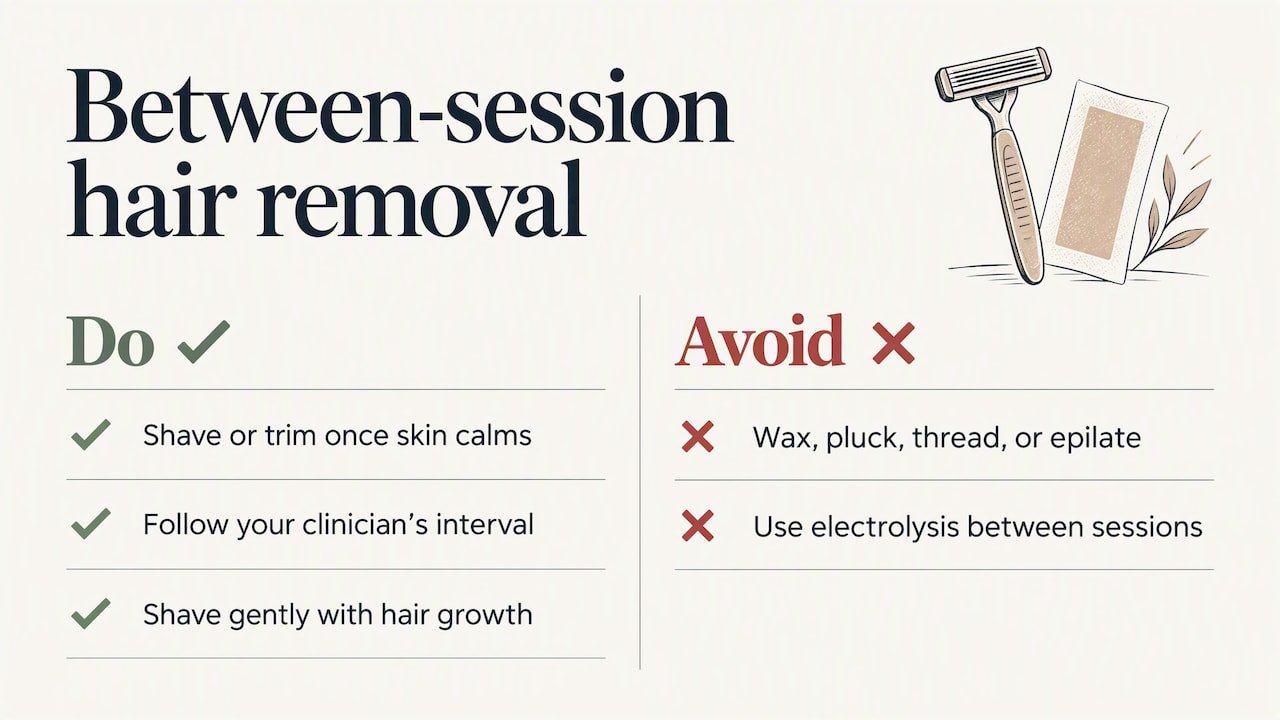
- Do not wax, pluck, thread or epilate between sessions. Shaving is generally the permitted method once skin has settled.
- Call the clinic about blistering, signs of infection, severe or worsening pain, or any colour change that does not settle.
Table of Contents
- Why aftercare matters more than it looks
- What the skin looks like straight afterwards
- The first 24 hours: an aftercare checklist
- Shaving, waxing and plucking between sessions
- Sun, tanning and pigment: a brief signpost
- When to contact your practitioner
- Questions worth asking before you book
- Preparing so aftercare goes smoothly
- Does it work, and is it worth it?
- Laser hair removal at Dermacy Clinic
- FAQ
- Sources
Why aftercare matters more than it looks
Laser hair removal works because pigment in the hair absorbs light energy, which turns to heat and damages the follicle. The skin around the follicle receives some of that heat too. Cooling systems protect the surface during treatment, but the skin is still reactive afterwards.
That is why aftercare is better thought of as risk management than as comfort care. Redness is expected. Burns, blistering, pigment change, infection and scarring are recognised complications, and the likelihood depends on skin type, tanning, laser settings and operator skill. Good aftercare cannot remove every risk, but heat, friction, sun and irritating products are the factors you control.
Outcomes vary between people and between body areas. Nobody can promise you a particular result, and no aftercare routine guarantees one.
What the skin looks like straight afterwards
It helps to know what is normal so you do not worry needlessly, and so you notice what is not.
- Pinkness and swelling. NHS guidance says the skin usually looks pink with some swelling, like nettle rash, lasting a few hours. Other patient guidance describes minor effects lasting one to three days. Both are reasonable, which tells you there is no single timetable.
- Small raised bumps around hair follicles. These are part of the same reaction in many people.
- Warmth or a sunburn-like feeling. This should ease rather than build.
- Patchy pinkness for longer. The same Leeds leaflet notes that patchy pinkness can last 7 to 10 days or occasionally longer. If yours lingers beyond what your practitioner described, tell them.
Marketing often says “little or no downtime”. That means you can usually go back to normal activities, not that your skin shows no reaction.
The first 24 hours: an aftercare checklist
Your clinic’s own written instructions are the controlling advice. Published NHS protocols differ by treatment and area, and some extend restrictions well beyond a day. Use the points below as a sense-check, not a substitute.
Cool the area gently
If the skin feels hot or tight, a cool (not ice-cold) compress held lightly against it can help. Wrap anything cold in a clean cloth. Do not rub, and do not apply ice directly to the skin. An NHS hospital leaflet names aloe vera gel as one possible cooling option, but ask your practitioner which product they are happy for you to use, because the safest choice depends on the area, your skin response and your existing skincare.
Avoid heat
For the first day, or longer if told to, steer clear of:
- hot baths and hot showers (lukewarm is kinder)
- saunas and steam rooms
- sunbeds and direct sun on the treated area
- hot water bottles or heated blankets over the area
Heat adds to a skin reaction that is already under way. Hot-water habits are easy to forget, so plan your evening around a lukewarm shower.
Avoid friction and sweat
- Skip strenuous exercise and the gym on the day, or as advised.
- Avoid swimming, because chlorinated and heated water can irritate treated skin.
- Wear loose, breathable clothing over the area. Tight leggings, waistbands, bra straps or a close collar can rub.
- Do not scratch, pick or rub, even if the area is itchy.
If you have had your underarms or bikini line treated, friction is the main practical issue. If you have had your face treated, think about pillowcases, masks and glasses rubbing the area.
Keep products minimal
The safest default is a short routine: a gentle, fragrance-free cleanser, a bland moisturiser if your practitioner agrees, and sun protection on exposed areas. NHS guidance advises avoiding perfume, make-up, astringents and heavy products while skin is irritated. The same leaflet notes that blistering, uncommon as it is, tends to occur when skin has been exposed to the sun or left with make-up or perfumed products on it.
Until your practitioner confirms they are suitable, pause:
- exfoliating scrubs and brushes
- chemical exfoliants such as AHAs, BHAs and peels
- retinol and other retinoids
- anything with strong fragrance or alcohol
- deodorant on freshly treated underarms, if the skin feels sore
This is not a ban for ever. It is a pause while the skin is reactive. Ask how long the pause should be for you, since it depends on your skin and the area.
Do not touch up the hair yourself
Treated hairs do not vanish at once. NHS guidance says some damaged hairs may stay visible for a few days and then fall out naturally, and advises against pulling them out. That is shedding, not regrowth, and it is not a sign the treatment failed. The point is covered in more depth elsewhere, so here is the short version: leave them be.
Shaving, waxing and plucking between sessions
The follicle needs to be present for the laser to target it. That is why waxing, plucking, threading, epilating and electrolysis are generally ruled out between laser sessions. Shaving or trimming is the usual permitted method once the skin has calmed.
Timing is where advice differs. One NHS facial-hair pathway suggests shaving 24 hours before treatment and waiting two days afterwards, while other protocols tell patients to follow their clinician’s individual instruction. Ask your practitioner for your own interval.
A common worry is that shaving makes hair thicker. The British Association of Dermatologists says it does not, though frequent close shaving can irritate skin and contribute to razor bumps. After laser, if the skin is tender, shave gently with a clean, sharp razor, in the direction of hair growth, and give the area a break if it stings.
If you are weighing laser against other methods, our comparison of laser and electrolysis explains where each fits.
Sun, tanning and pigment: a brief signpost
Sun exposure is the single biggest avoidable risk after treatment. The American Academy of Dermatology says all patients need to protect treated skin from the sun. UK hospital guidance advises avoiding sunbeds, tanning products and strong sun, and using a high-factor sunscreen on exposed treated skin. People with darker skin or a tan may have a higher risk of pigment change, which can mean temporary or occasionally permanent lightening or darkening.
Two points in practice:
- Cover treated areas with clothing where you can, and use sunscreen on what remains exposed.
- Tell your practitioner about recent tanning, fake tan or sunbed use before treatment, not after.
We have separate guides on how sun exposure affects your treatment plan and on laser hair removal and tanned skin.
When to contact your practitioner
This is the part that matters most. Aftercare leaflets give a consistent message: minor redness is expected, but certain changes need professional assessment. Contact the clinic that treated you, or seek urgent medical help if you cannot reach them and feel unwell, if you notice:
- Blisters. NHS guidance says blistering can occur in the first three days and is uncommon. Do not burst blisters or treat them yourself. Describe them to the practitioner, and send a clear photo if the clinic asks for one.
- Signs of infection. Increasing pain, spreading redness, heat, pus, or feeling feverish.
- Severe or worsening pain. Discomfort should ease, not intensify.
- Colour change. Darker or lighter patches that appear or do not fade.
- Redness or swelling that goes on much longer than you were told to expect.
- A reaction that feels out of proportion, such as a lot of swelling, or swelling around the eyes after facial treatment.
If you are struggling to describe what you are seeing, or you would like a doctor’s opinion on a skin problem unrelated to the laser, an online option exists in a remote skin consultation service based in Portugal. It is not a substitute for contacting the clinic that treated you, and you should call 999 or use NHS 111 for anything that feels urgent.
Do not try to manage a complication with leftover creams, antibiotics from a previous illness or internet remedies. Treatment of blisters, infection or pigment change needs an assessment of your skin by a suitably qualified professional.
Questions worth asking before you book
Good aftercare starts with good provider choice and a proper consultation. UK safety guidance supports asking practical questions rather than relying on marketing claims. Useful ones include:
- Do you take a medical history and do a patch test?
- How is eye protection managed during treatment?
- What laser or light device do you use, and how does it suit my skin and hair colour?
- Will I get written aftercare, and who do I contact if I am worried?
In England, GOV.UK explains that practitioners using IPL, class 3B or class 4 lasers may have to register with the Care Quality Commission, and the exact position depends on the equipment and whether treatment is cosmetic or medical. Local councils may add requirements. GOV.UK also warns that laser radiation can injure eyes and skin, which is why risk assessment and trained operation matter. For a fuller checklist, see our guide on how to choose a laser hair removal clinic.
Preparing so aftercare goes smoothly
A calmer recovery often starts the week before:
- Avoid sun, sunbeds and tanning products in the lead-up, and say so honestly if you have had any.
- Shave only as your practitioner instructs.
- Do not wax, pluck or thread in the run-up to your appointment.
- Arrive with clean, product-free skin on the area, without perfume, make-up or heavy cream.
- Tell the practitioner about medicines, skincare actives such as retinoids, and any skin conditions.
- Plan your day so you can avoid a hot shower, gym session or sauna afterwards.
One more point: if your skin is already irritated from another treatment, active skincare or a recent shave, mention it. The practitioner may advise waiting.
Does it work, and is it worth it?
Many people reading aftercare advice are still deciding. The honest answer is that laser hair removal produces hair reduction, not a guaranteed cure. The American Academy of Dermatology notes it may need six or more sessions, and results vary with hair colour and thickness, skin colour, treatment area and laser type. Very fair, white, grey and some red hairs may respond poorly because they contain less of the pigment the laser targets. One NHS leaflet says complete removal cannot be achieved and that some people see only a temporary reduction.
Whether it is worth it depends on your hair, your skin, your tolerance for several appointments and what you want to stop doing, such as repeated shaving. A consultation is where those questions get a personal answer.
Laser hair removal at Dermacy Clinic
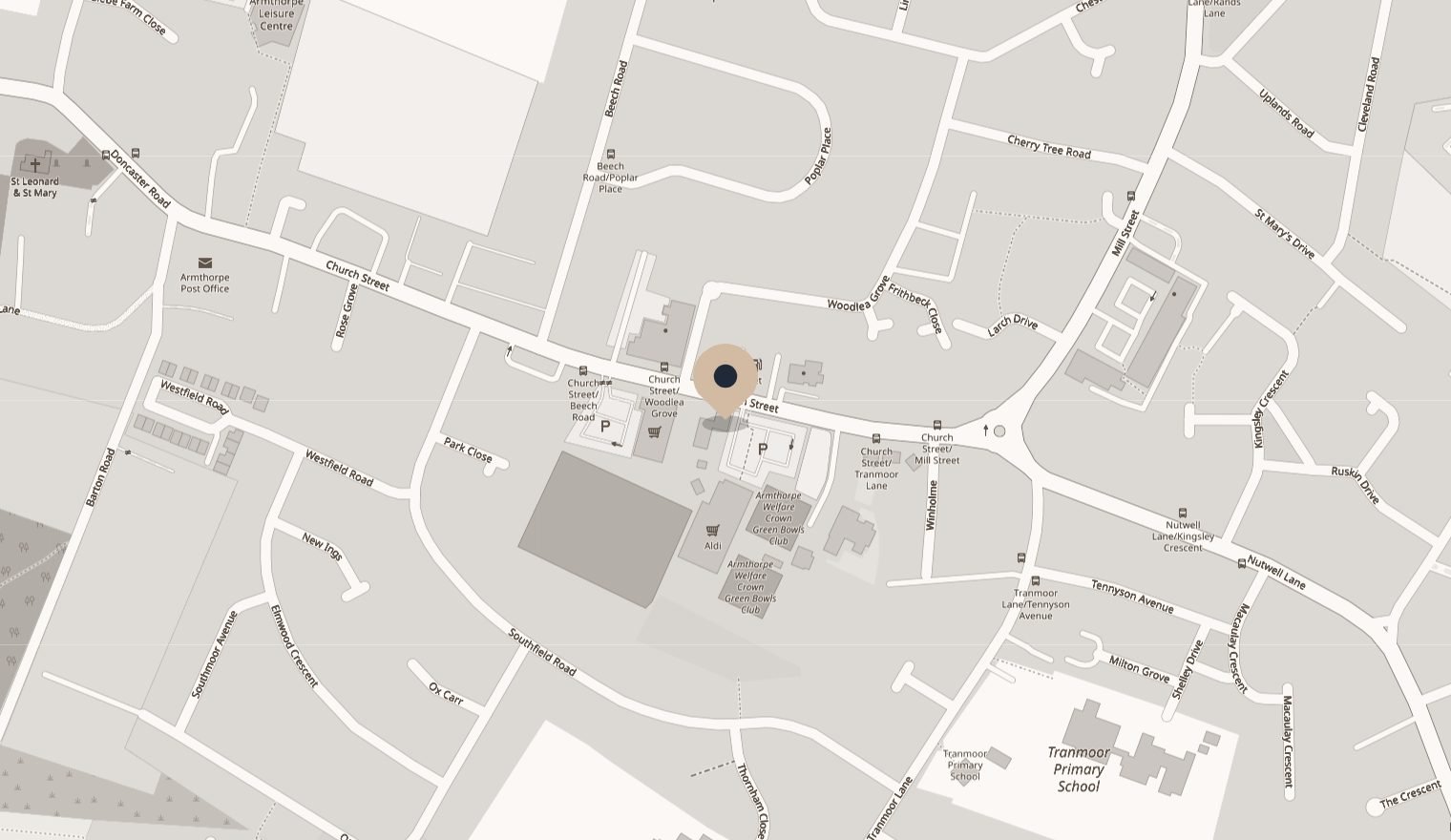
Dermacy Clinic is a skin, laser and aesthetic clinic in Armthorpe, Doncaster, South Yorkshire. If you are considering treatment, our laser hair removal page explains the service, lists current prices and has the booking route. Suitability is decided individually, results vary, and any aftercare plan should come from the practitioner who assesses and treats you. We also publish a guide for men considering laser hair removal.
FAQ
What should I put on my skin after laser hair removal?
Only what your practitioner has approved. NHS guidance names aloe vera gel as one possible cooling option, and advises avoiding perfume, make-up, astringents and heavy products while skin is irritated. Hold off on scrubs, acids and retinoids until you are told they are suitable.
How long does redness last after laser hair removal?
It varies. NHS guidance describes pinkness and swelling lasting a few hours, with patchy pinkness sometimes lasting 7 to 10 days or longer, while other guidance describes one to three days. If redness lasts longer than your practitioner told you to expect, or is getting worse, contact them.
Can I exercise or have a hot shower afterwards?
Generally not on the day. NHS sources advise avoiding hot baths and showers, saunas, swimming and strenuous exercise for the first day or as directed, and some protocols are stricter. Follow the written advice from your clinic.
Can I shave between laser hair removal sessions?
Usually yes, once the skin has settled, and it is the usual permitted method between sessions. Waxing, plucking, threading and epilating are avoided because the follicle must stay in place for the next treatment. Ask your practitioner how long to wait after a session before shaving.
Sources
- Laser Hair Reduction, Leeds Teaching Hospitals NHS Trust
- After your laser treatment, Leeds Teaching Hospitals NHS Trust
- Laser hair removal, Sandwell and West Birmingham NHS Trust
- Facial hair reduction, Leeds and York Partnership NHS Foundation Trust
- Hair removal, North Bristol NHS Trust
- Laser hair removal overview, American Academy of Dermatology
- Laser hair removal FAQs, American Academy of Dermatology
- Hirsutism, British Association of Dermatologists
- Laser or intense pulsed light treatment registration (England), GOV.UK
- Laser radiation: safety advice, GOV.UK
Recommended
- Laser Hair Removal and Sun: Let Your Holiday Set the 4–6 Week Plan
- Laser Hair Removal on Tanned Skin: What to Know First
- How to Choose a Laser Hair Removal Clinic | 7 Questions
- Laser vs Electrolysis in UK Clinics: Laser First, Then Strays
This article provides general information and is not a diagnosis or personalised medical advice. Treatment suitability, risks and expected outcomes require an individual consultation. Results vary.